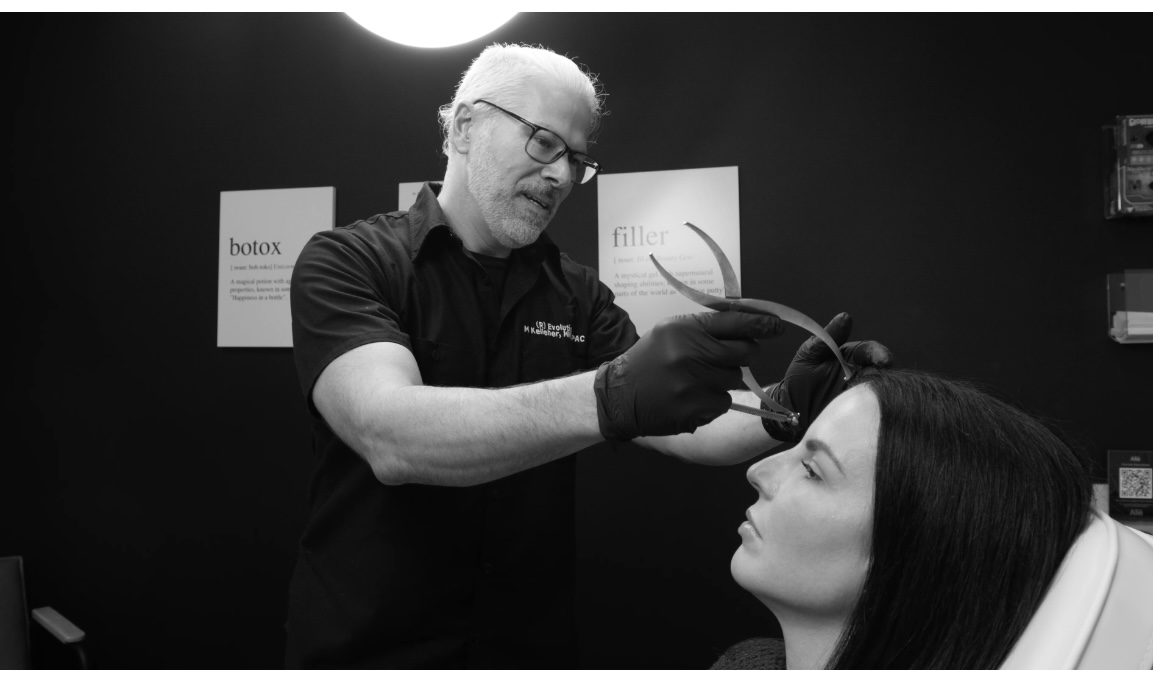
Jowls, Jawline, and Lower-Face Laxity: Why Treatment Choice Matters
A Decatur and Atlanta guide to lower-face aging, treatment choice, and where EndoLift may fit for jawline softness and early jowls.
Jowls are often described as a skin problem.
They usually are not that simple.
By the time someone notices softening along the jawline, several things may be happening at once. Skin has lost some elasticity. Facial fat has shifted. The cheek may have less support than it used to. The jaw and chin structure may not frame the lower face as sharply. Tissue that once sat higher on the face has started to settle closer to the mouth and jawline.
This is why jowls can be frustrating. They are visible at the surface, but the cause is often deeper than the surface.
The jawline depends on support
A clean jawline is not created by tight skin alone.
It depends on structure: cheek support, chin projection, jaw shape, skin quality, and the way soft tissue sits over the underlying anatomy. When one layer changes, the whole lower face can look different.
Some patients see a small pocket beside the chin, sometimes called the prejowl area. Some notice the jawline looks wavy instead of straight. Others feel that their lower face looks heavier, even if their weight has not changed.
Those details matter because each one points toward a different treatment path.
Why filler is sometimes right, and sometimes wrong
Filler can be excellent when the lower face needs structure.
If volume loss in the cheek, chin, or jawline is making the lower face look unsupported, carefully placed filler can restore shape and improve contour. In the right patient, it can make the jawline look cleaner by rebuilding the frame around the jowl rather than trying to "fill the jowl" itself.
But filler has limits.
If the main issue is loose tissue or skin laxity, adding more volume can make the lower face look heavier. That is the mistake many patients are trying to avoid. They do not want to look fuller. They want to look firmer.
The question should not simply be, "Do I need filler?" The better question is, "Is my jawline losing structure, losing tightness, or both?"
Why threads are not always the answer
Threads can create a mechanical lift in selected patients with mild to moderate laxity. They can be useful when the tissue is not too heavy, the skin quality is reasonable, and the patient understands the result is temporary.
But threads are technique-sensitive. They are not a universal solution for lower-face aging, and they do not correct every cause of jowling. If the tissue is heavy, if the skin is very lax, or if the patient needs deeper remodeling, threads may disappoint.
They can also create a result that looks better from one angle than another if the underlying issue has not been properly identified.
Why skin tightening alone may not be enough
Surface tightening treatments can improve collagen, firmness, and texture. They are often helpful for early laxity and can be part of a smart lower-face plan.
The limitation is depth.
If the problem is mainly loose skin, a skin-focused treatment may help. If the problem is deeper soft-tissue descent or under-chin fullness, the improvement may be more modest than the patient expects.
This is where many lower-face consultations become too generic. A patient comes in for jowls and gets offered a tightening device because the word "tightening" sounds like the right answer. But the actual face may need contouring, structure, subdermal remodeling, or surgery.
Where EndoLift fits in the lower face
EndoLift can be compelling for patients whose concern sits between filler and surgery.
It is designed to work beneath the skin using a fine optical fiber that delivers laser energy into the subdermal tissue. In the lower face, that can make it useful for jawline softness, early jowls, under-chin fullness, and mild to moderate laxity.
The appeal is not that EndoLift replaces every other treatment. It does not.
The appeal is that it gives the provider another tool when the patient needs tightening and contour improvement, not simply volume.
For example, a patient with early jowls and mild under-chin fullness may not be best served by more filler. A patient with advanced laxity may need surgery. But a patient in the middle, with enough skin quality to respond and enough laxity to justify a deeper treatment, may be a strong EndoLift candidate.
Why provider judgment matters
Lower-face treatment is hard because the wrong choice can make the concern worse.
Too much filler can add heaviness. Threads can underperform if the tissue is not right. Surface tightening can feel underwhelming if the problem is deeper. Surgery can be more than a patient wants or needs if the laxity is still early.
This is why provider judgment matters as much as the device or injectable.
The consultation should look at:
- whether the jawline needs structure, tightening, or both
- how much laxity is present
- whether the under-chin area is contributing
- whether the neck is part of the concern
- whether the patient wants subtle improvement or a more dramatic change
- whether a non-surgical plan can realistically meet the goal
This kind of assessment takes more time than simply recommending the treatment a patient asked about. It also leads to better decisions.
The bottom line
Jowls and jawline softness are rarely caused by one thing. They usually reflect changes in skin, structure, volume, and soft tissue support.
That is why treatment choice matters.
Some patients need filler. Some need energy-based tightening. Some may benefit from EndoLift. Some should have an honest conversation about surgery. The best plan depends on what is actually happening beneath the surface.
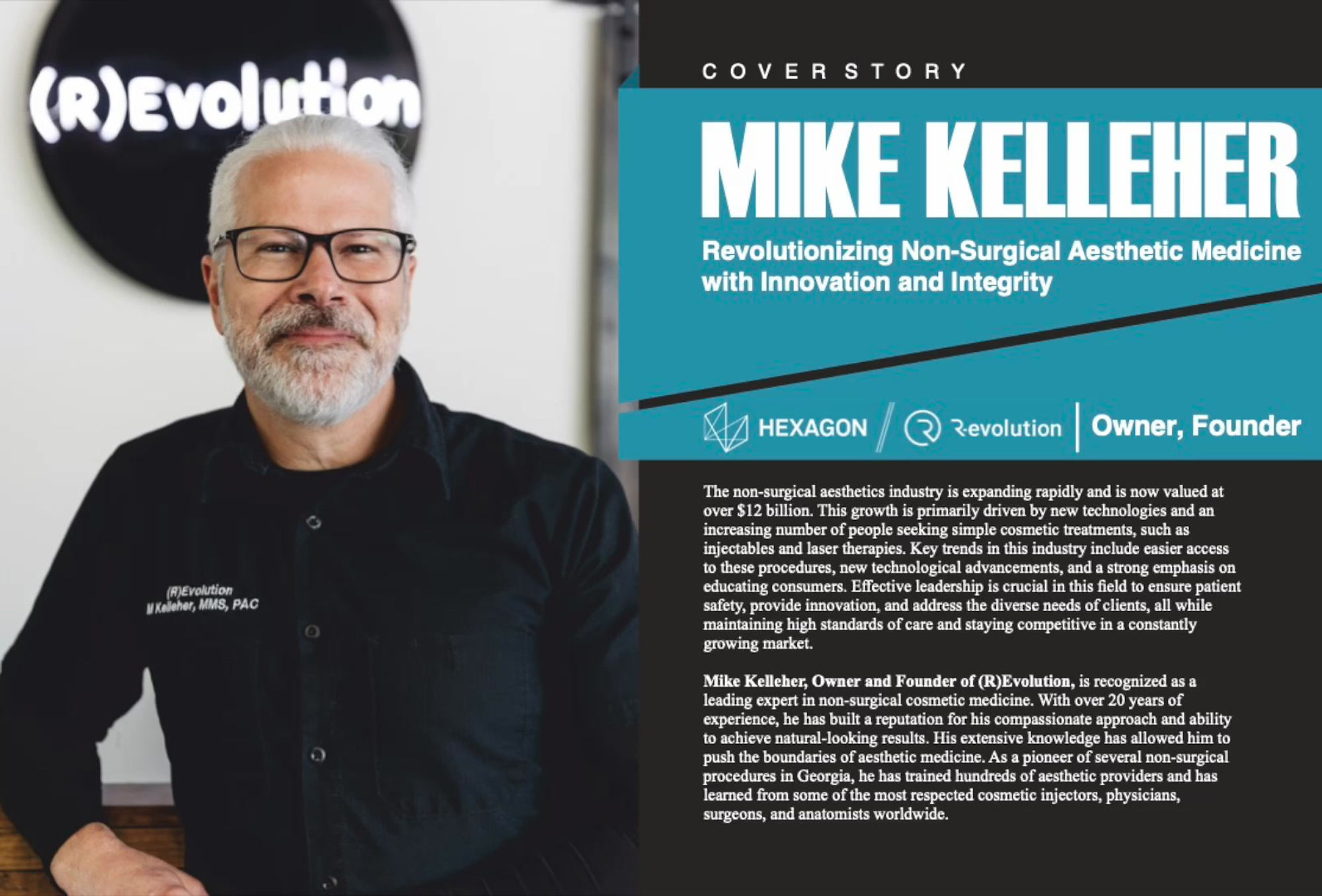
At (R)Evolution MedSpa in Decatur, Mike Kelleher approaches lower-face rejuvenation by first identifying the reason the jawline is changing. The goal is not to chase a trend. It is to choose the treatment that fits the anatomy.
If your jawline looks softer than it used to, a consultation can help determine whether EndoLift, filler, another treatment, or a combination plan makes the most sense.
Explore EndoLift, dermal fillers, or read EndoLift vs facelift.