EndoLift Recovery: Downtime, Swelling, and When Results Show
A practical recovery guide covering swelling, bruising, social downtime, early tightening, and when EndoLift results usually develop.
EndoLift is often described as a minimally invasive treatment with limited downtime.
That is true, but it can also be too vague to be useful.
Patients do not just want to know whether the recovery is "easy." They want to know what they will look like the next day, when swelling usually settles, when they can be social again, and when the result is real rather than just early post-treatment tightness.
The answer depends on the area treated, the patient’s anatomy, the amount of laxity, and how the tissue responds. But there is a general pattern most patients should understand before treatment.
The first few days: swelling, tightness, and tenderness
EndoLift works beneath the skin, so the early recovery is not the same as a surface facial or light laser treatment.
Most patients should expect some swelling, tenderness, tightness, and possible bruising. In the jawline, under-chin, and neck areas, swelling can make the lower face look puffy at first. Some patients feel internal firmness, small areas of tightness, or a pulling sensation when smiling, chewing, or turning the neck.
That early response is part of the tissue reaction. The laser energy creates controlled heating below the skin, which can support tissue tightening and collagen remodeling. The body then has to settle and remodel.
In practical terms, the first 48 to 72 hours are usually when swelling and tenderness are most noticeable.
When can you go back to normal activities?
Many patients can return to light daily activities quickly, often within a day or two, depending on their comfort level and the extent of treatment.
Social downtime is different.
If you work from home or do not mind mild swelling, you may feel comfortable fairly quickly. If you have an event, photos, meetings, or anything where you want to look completely normal, it is smarter to give yourself a larger buffer.
For jawline and neck EndoLift, a realistic planning window is often several days to a week before most patients feel more socially comfortable. Some people may want closer to 10 to 14 days if they bruise easily, swell more than average, or need to look polished for a specific event.
That does not mean you are out of commission for two weeks. It means your calendar should respect the difference between "I can function" and "I want to be seen up close."
Why early results can be misleading
Some patients notice a tighter look quickly.
That early change can be encouraging, but it should not be mistaken for the final result. In the first days after EndoLift, the face and neck are still swollen. Some of the tightness is immediate tissue response. Some of the contour may fluctuate as swelling comes and goes.
The more meaningful result develops later, as collagen remodeling progresses.
That is one of the most important points to understand about EndoLift: it is not only about what you see the week after treatment. It is also about what the tissue does over the next several months.
The usual recovery timeline
Every patient is different, but a practical timeline looks like this:
Days 1 to 3: swelling, tightness, warmth, tenderness, and possible bruising are most noticeable. The treated area may feel firm or slightly strange under the skin.
Days 4 to 7: swelling usually starts to improve. Bruising, if present, begins to fade. Many patients feel more comfortable being out socially, though the area may still feel tight or tender.
Week 2: most visible swelling and bruising are often much improved. Some internal firmness, numbness, or tightness may still be present.
Weeks 4 to 6: the tissue usually feels more settled. Early contour and tightening changes become easier to judge, though the result is still developing.
Months 2 to 3: this is when many patients begin to see clearer tightening and contour improvement beyond the initial post-treatment response.
Months 4 to 6: collagen remodeling can continue, and the result may keep refining.
These are general ranges, not guarantees. Healing is individual, and treatment intensity matters.
What is normal, and what should be checked?
Mild to moderate swelling, bruising, tenderness, tightness, and temporary altered sensation can be part of normal recovery.
What should be checked quickly is anything that feels out of proportion: severe pain, dramatic asymmetry, signs of infection, burns, worsening redness, or symptoms that do not match the expected recovery pattern.
This is another reason provider access matters. A good treatment experience includes clear aftercare instructions and a provider who can evaluate concerns if something does not feel right.
How to plan around an event
If you are considering EndoLift before a wedding, reunion, photo session, or major work event, do not schedule it too close.
Even if recovery is smooth, the best-looking result is not immediate. The early swelling needs time to settle, and the collagen response needs time to build.
For a major event, patients should think in months, not days. If the event is soon, a consultation can help determine whether EndoLift timing makes sense or whether another short-term treatment would be more appropriate.
The bottom line
EndoLift recovery is usually manageable, but it is still a real recovery.
Most patients should expect some swelling, tightness, tenderness, and possible bruising. Light activity may resume quickly, but social comfort often takes several days, especially for jawline and neck treatments. The final result does not appear overnight. It develops as swelling resolves and collagen remodeling continues over the following months.
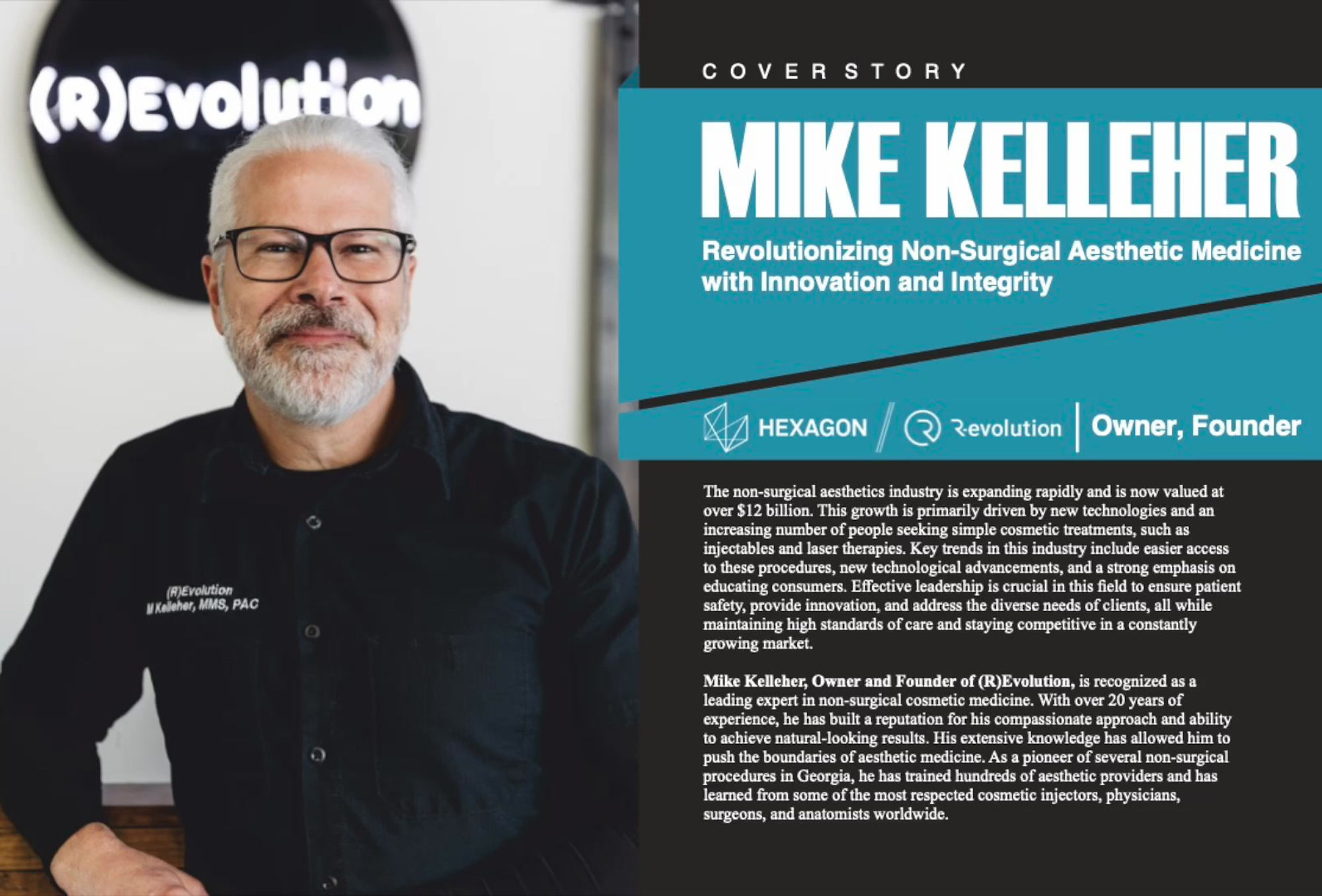
At (R)Evolution MedSpa in Decatur, Mike Kelleher discusses recovery as part of the consultation, not as an afterthought. The goal is for patients to understand what the treatment can do, what the healing process looks like, and how to plan their calendar realistically.
If you are considering EndoLift, the best next step is a consultation that evaluates your anatomy, timing, goals, and expectations before treatment is scheduled.
Explore EndoLift treatment details or read what EndoLift is.