What Is EndoLift?
A Decatur and Atlanta patient guide to how EndoLift works, where it fits, and why patients consider it as a non-surgical lift option.
If you’ve started noticing jowls, softness through the lower face, or a jawline that doesn’t look as defined as it used to, you’ve probably already come across a lot of treatments promising to tighten and lift the skin.
EndoLift is one of the more advanced options in that conversation. It’s a minimally invasive laser treatment designed to improve skin laxity, contour, and structural support without the incisions or recovery of surgery.
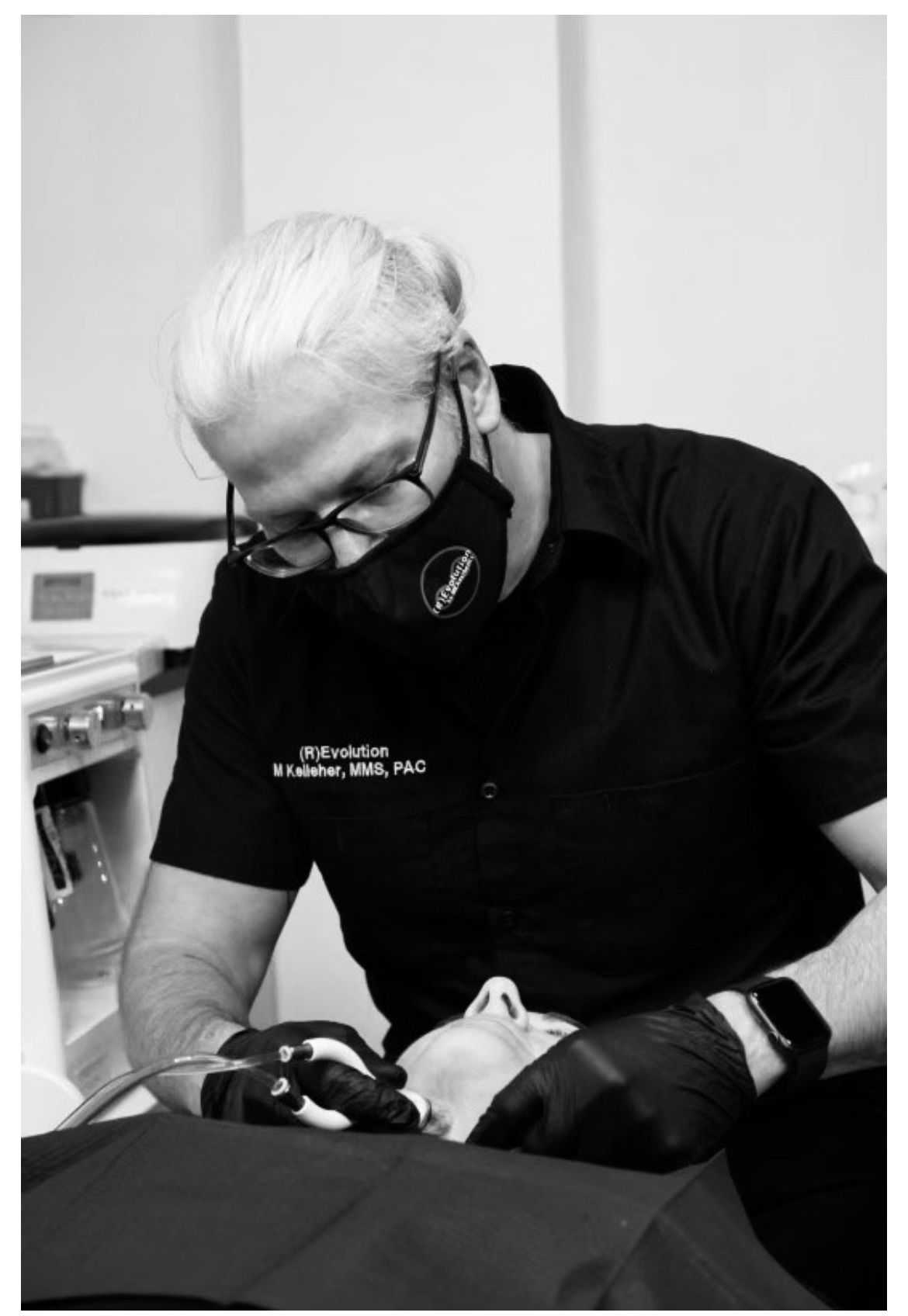
The treatment uses a very fine optical fiber placed just beneath the skin. That fiber delivers 1470nm laser energy directly into the tissue. The energy helps tighten the skin, stimulate collagen production, and address localized fat in areas like the jawline, under the chin, and neck.
What makes EndoLift different from many surface-level treatments is that it works below the skin rather than only from the top down. It’s designed to create a visible tightening effect while also supporting longer-term collagen remodeling.
EndoLift itself was developed in Europe, where minimally invasive energy-based aesthetic treatments have had a stronger clinical foothold for years than they often do in the U.S. The system is manufactured by Eufoton in Trieste, Italy, and uses a 1470nm diode laser with extremely fine micro-optical fibers designed for subdermal use.
That European development story matters because EndoLift did not emerge as a mass-market, consumer-led treatment. It came out of a more technical clinical environment, with the procedure gaining traction among providers interested in precise tissue remodeling, contour improvement, and minimally invasive facial rejuvenation.
Published material around the technology points to its use in areas like lower-face contouring, neck tightening, and even periorbital rejuvenation. More recent studies have looked at measurable tissue changes after treatment, including dermal thickening and collagen remodeling following use of the 1470nm platform.
That doesn’t mean every provider offering EndoLift is equal. In fact, the opposite is probably true. Because the procedure relies on subdermal laser delivery, treatment planning, anatomy, and operator skill matter significantly. That is one reason the treatment can be hard to replicate well in the hands of someone without strong medical and laser training.
Patients are usually interested in EndoLift because they want improvement in one or more of these areas:
- jawline definition
- jowls
- under-chin fullness
- neck laxity
- lower-face sagging
For the right patient, the appeal is straightforward: it offers a non-surgical path to a firmer, more defined lower face.
It’s also important to understand what EndoLift is not. It’s not a facelift. It’s not filler. And it’s not the right treatment for every face or every degree of laxity. The quality of the result depends heavily on anatomy, expectations, and provider skill.
That’s why the consultation matters. The best outcomes come from choosing the right patient, the right treatment plan, and the right hands.
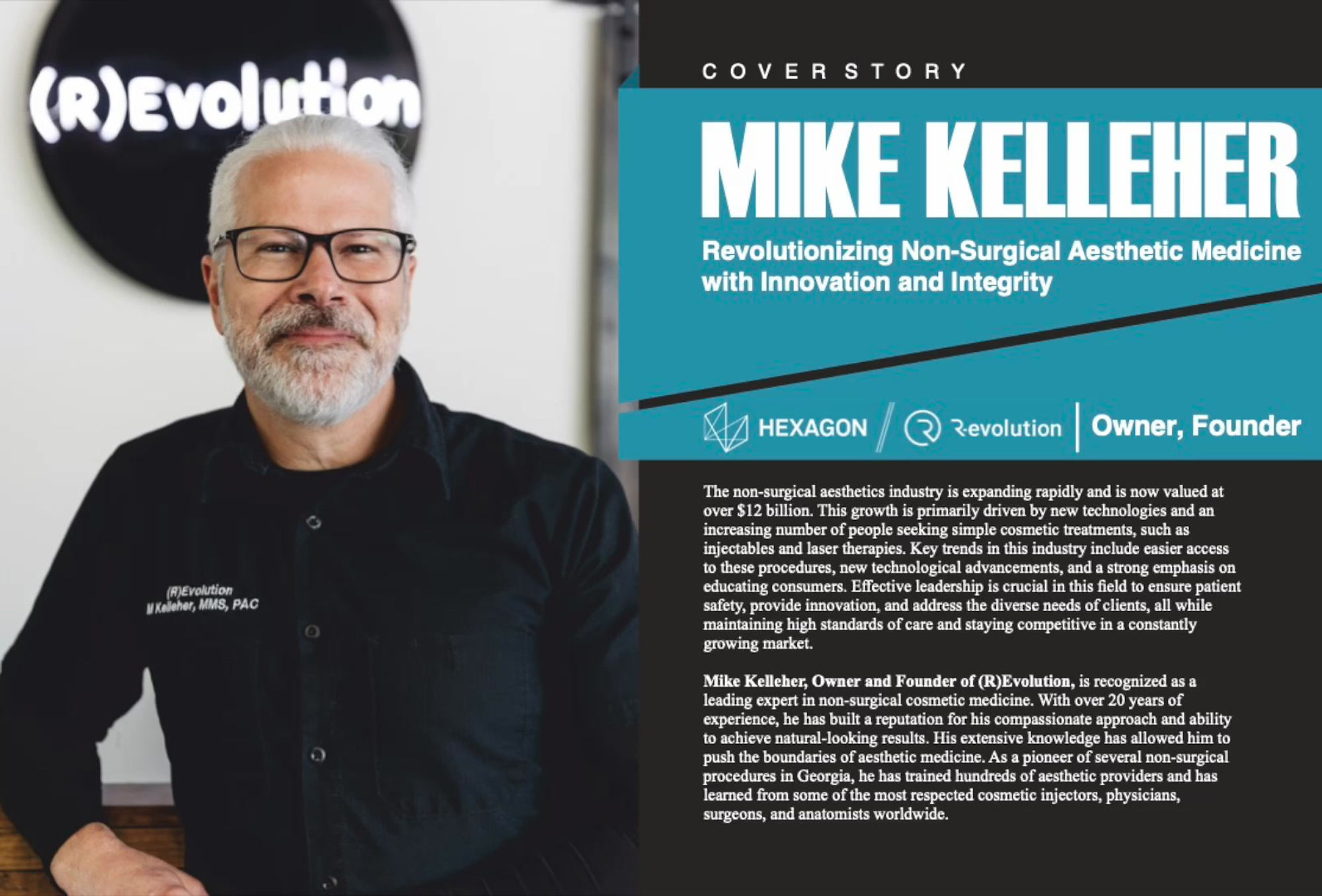
At (R)Evolution MedSpa in Decatur, Mike Kelleher uses EndoLift as part of a more precise approach to facial rejuvenation. The goal is not to make someone look dramatically different. It’s to restore structure, improve contour, and help the face look tighter, fresher, and more supported — while still looking like itself.
If you’re curious whether EndoLift is the right fit for your goals, the best next step is a consultation where your anatomy, skin laxity, and treatment options can be assessed properly.
Explore EndoLift treatment details or read more about who makes a good EndoLift candidate.