Neck Tightening Without Surgery: What Are Your Options?
A practical Decatur and Atlanta guide to non-surgical neck tightening, how the neck ages, and where EndoLift may fit.
The neck is one of the first places many people notice aging, and one of the hardest areas to treat well.
That is partly because "neck tightening" is not one single problem. A patient may be seeing loose skin. Another may have fullness under the chin. Another may have visible platysmal bands, sun damage, or soft tissue that has started to descend from the lower face. Most people have some combination.
That distinction matters. If the diagnosis is vague, the treatment plan usually becomes vague too.
Why the neck changes
The neck ages in layers.
Skin becomes thinner and less elastic as collagen and elastin decline. Sun exposure accelerates that process, especially on the neck and chest, where sunscreen is often applied less consistently than on the face. Fat distribution can change under the chin. The jawline can lose definition as facial volume shifts downward. The platysma muscle can become more visible, creating vertical bands.
Two patients can both say, "I hate my neck," and need completely different plans.
One may need collagen stimulation. Another may need contouring under the chin. A third may be better served by a surgical neck lift, while someone else may need a staged plan that combines several approaches.
The priority is not to chase the newest device. It is to identify which layer is actually causing the problem.
Surface tightening: useful, but limited
Many non-surgical neck treatments work by heating the skin or deeper soft tissue to trigger collagen remodeling. Radiofrequency, ultrasound-based tightening, RF microneedling, and laser-based treatments all live in this broad category, though they work at different depths and with different levels of intensity.
These treatments can be very helpful when the issue is mild to moderate laxity, crepey texture, or early loss of firmness. They are usually not designed to remove large amounts of excess skin.
That is the honest line patients need to understand: non-surgical tightening can improve the neck, but it does not behave like surgery.
For the right patient, that is perfectly fine. Many people are not trying to look surgically lifted. They want the neck to look a little cleaner, firmer, and more connected to the face.
Under-chin fullness is a different problem
Sometimes the neck does not look loose as much as heavy.
Fullness under the chin can come from submental fat, anatomy, posture, skin laxity, or a combination of all three. If the main issue is fat, a treatment focused only on surface tightening may not create the change the patient wants.
That is where contouring treatments come into the conversation. Depending on the patient, options may include fat-reduction injections, energy-based contouring, liposuction, or a treatment like EndoLift that can address selected pockets of tissue while also supporting tightening.
The key is to avoid treating "the neck" as one flat surface. The area under the chin, the jawline, the lower face, and the front of the neck all age differently.
Where EndoLift fits
EndoLift is different from purely surface-based treatments because it works beneath the skin with a very fine optical fiber. The fiber delivers laser energy into the subdermal tissue, where it can help tighten, stimulate collagen remodeling, and improve selected areas of contour.
That makes it especially interesting for patients who are starting to see softness along the jawline, early jowls, under-chin fullness, or neck laxity, but who are not ready for a surgical lift.
EndoLift is not a facelift. It is not a neck lift. It is not the right answer for every neck.
But for the right anatomy, it can occupy a useful space between light surface tightening and surgery. It can be more targeted than a topical or surface-only approach, while still avoiding the incisions and recovery associated with surgical lifting.
When surgery is still the better answer
A good non-surgical consultation should be willing to say when non-surgical treatment is not enough.
If there is significant hanging skin, heavy platysmal banding, or advanced laxity, surgery may be the more predictable path. Non-surgical treatments can still improve skin quality or help with maintenance, but they should not be sold as a replacement for surgical correction when the anatomy says otherwise.
That honesty actually makes treatment planning better. The patient can choose between a modest non-surgical improvement, a staged plan, or a surgical consultation with clearer expectations.
What patients should ask before choosing a treatment
Before choosing a neck tightening treatment, ask:
- Is my main issue loose skin, fat, muscle banding, jawline laxity, or a combination?
- What layer does this treatment actually target?
- How much improvement is realistic for my anatomy?
- How long will swelling or downtime last?
- Would I need more than one treatment?
- If this does not get me far enough, what is the next step?
Those questions matter because good outcomes usually come from matching the treatment to the problem, not matching the patient to a menu item.
The bottom line
Neck tightening without surgery is possible, but it has to be approached carefully.
Mild to moderate laxity can often improve with energy-based treatments. Under-chin fullness may need a contouring strategy. Early jowls and jawline softness may require a treatment that works more directly beneath the skin. More advanced laxity may need surgery.
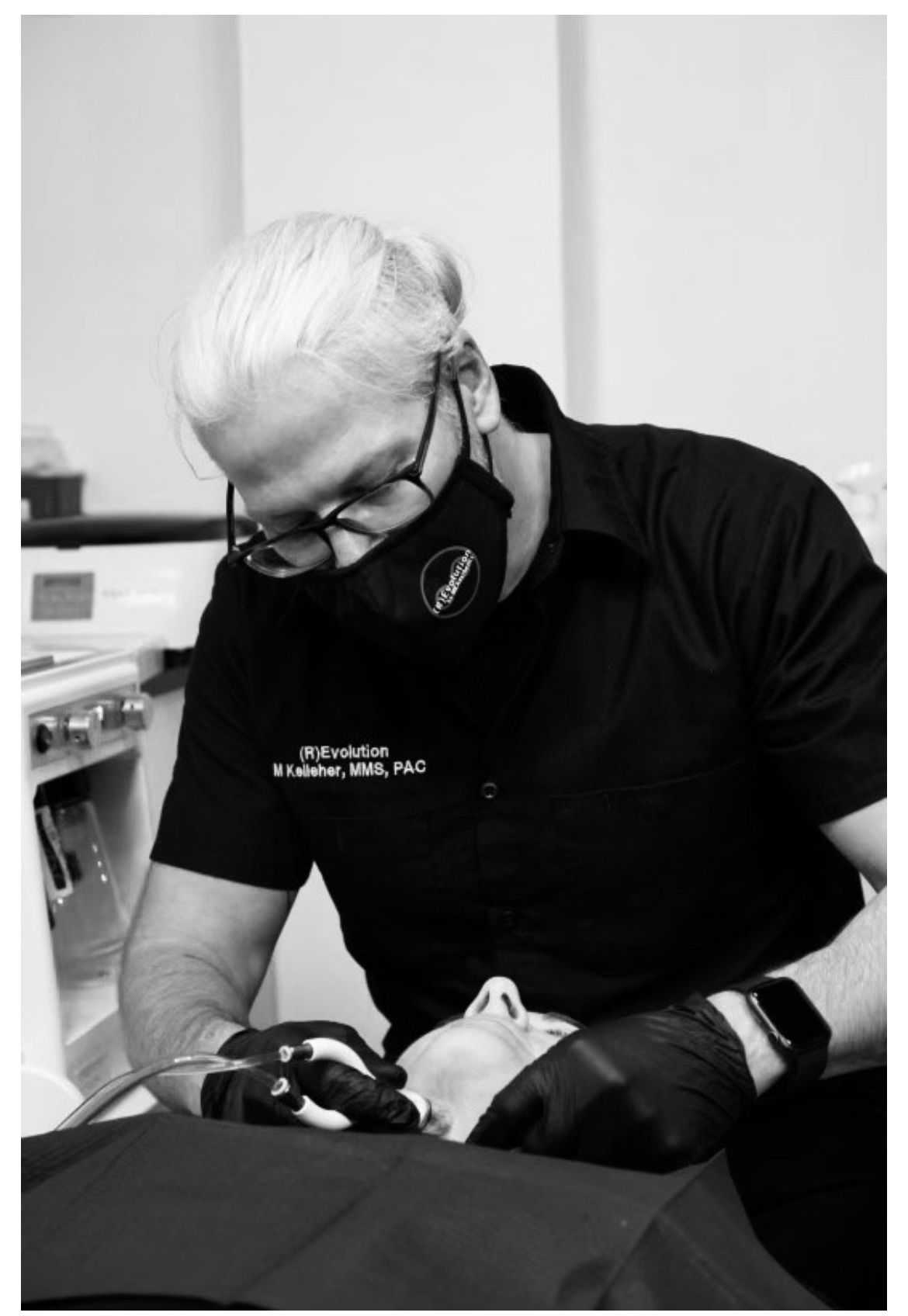
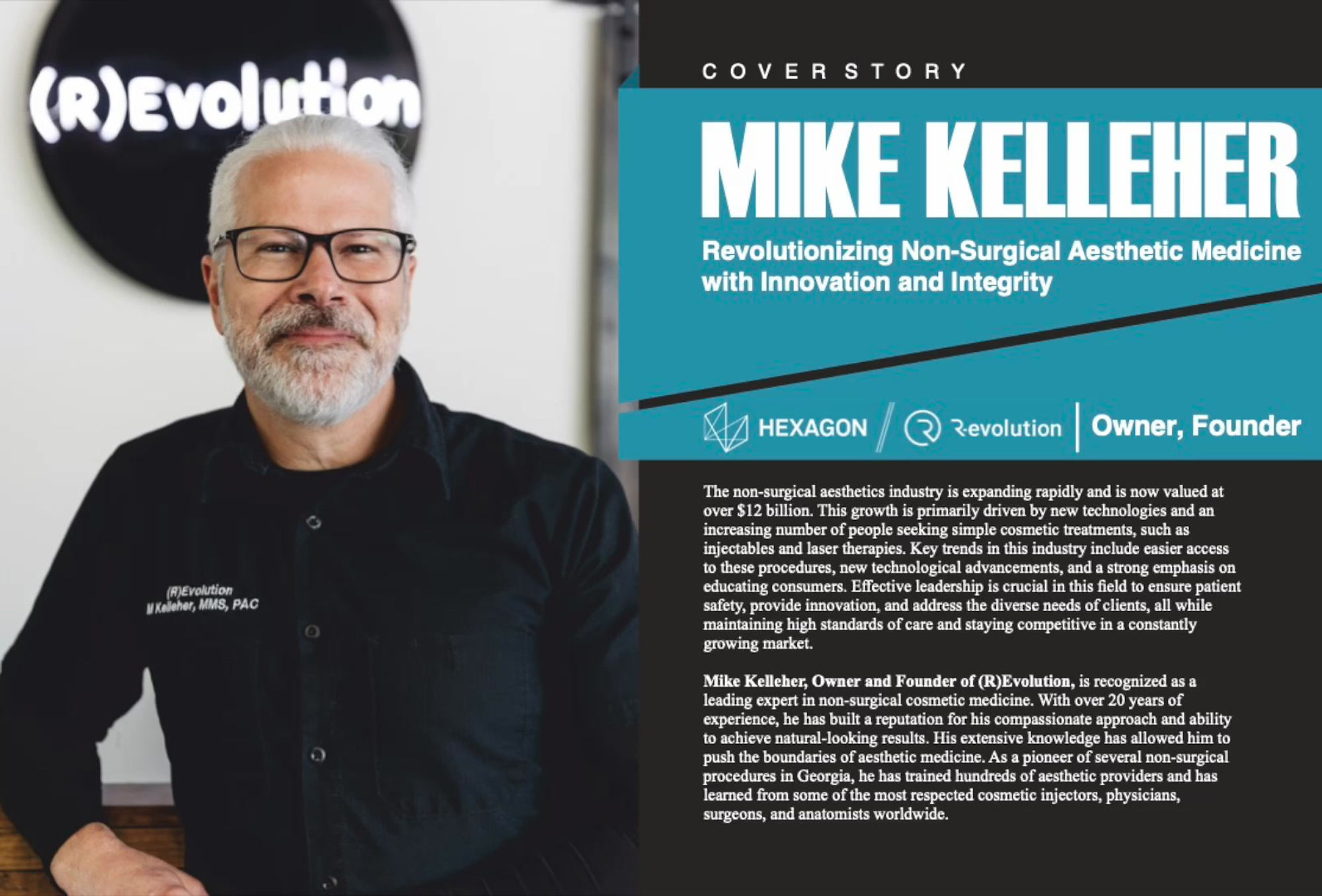
At (R)Evolution MedSpa in Decatur, Mike Kelleher evaluates the neck as part of the lower face, not as an isolated area. That means looking closely at what is actually changing, then choosing the treatment path that gives the patient the most natural, realistic improvement.
If you are considering neck tightening, the best next step is a consultation. Not because every patient needs EndoLift, but because every good plan starts with the right diagnosis.
Explore EndoLift treatment details or read who makes a good EndoLift candidate.